

Pilot testing combined biotechnologies for first time receives funding
A new Marlborough-based pilot project to test if insect bioconversion and anaerobic digestion technologies can be used together to turn organic waste into animal feed and other products has received $1.42 million from the Waste Minimisation Fund, subject to meeting agreed milestones.
The three-year, $2.6 million project will be led by the Marlborough Research Centre in partnership with Marlborough District Council, the Bioeconomy Science Institute, Ecogas, Kōrure, and Dry Food NZ.
The pilot is the first to test whether it is technically possible and commercially viable to combine insect bioconversion and anaerobic digestion systems, and will provide a business case for this process.
The project combines research, local government and waste-sector expertise with commercial capabilities to explore new approaches to managing organic waste while creating useable end products.
Processes being tested
Anaerobic digestion uses microorganisms to break down organic material without oxygen. It has been used around New Zealand to process high water content food waste, dairy waste, aquaculture waste, sewage sludge, animal manure, and other biodegradable wastes.
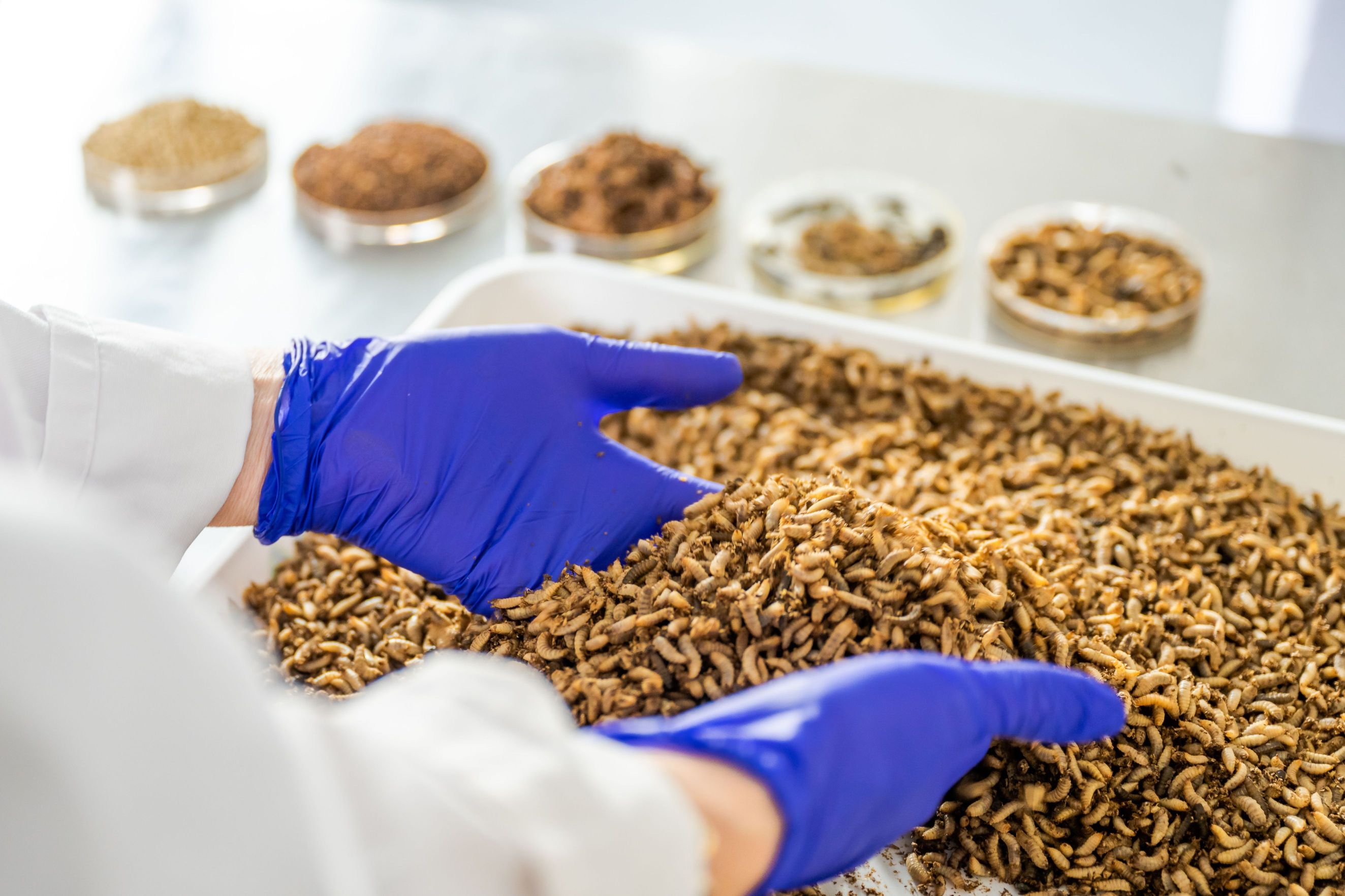
Insect bioconversion uses insects to break down organic material, converting it into a nutrient rich soil amendment and insect protein that can be used in pet food and poultry and aquaculture feed.
The pilot will test whether it is technically possible and commercially viable to combine and run an IB/ AD system. It will provide a business case and ‘road map’ for this process.
Waste diverted from landfill
A pilot facility will be established near Blenheim and waste diverted from landfill will progressively increase year on year from 1,000 tonnes in Year 1 of the Project, to up to 10,000 tonnes per year following Year 3.
The project will process winery, seafood, horticulture and aquaculture waste. Marlborough District Council will also trial a small kerbside collection of food and green waste throughout the project.
A business case and implementation plan for a future commercial-scale facility capable of processing up to 50,000 tonnes of organic waste annually will be produced.